How To Change The Culture Within A Large Organization

Changing habits and mindsets is tough. As they say, old habits die hard, and trying to teach an old dog new tricks? That’s supposed to be impossible. Well, when it comes to transforming the culture of an organization, you might feel like you’re trying to turn a giant ship with a small paddle. It can be hard, there is often external and internal resistance, and the process can seem never ending, but sometimes, change is exactly what’s needed to solve stubborn problems. However, several agencies within the federal government have navigated these waters successfully. The Department of Veterans Affairs has made notable improvements in patient care by focusing on veterans’ needs and feedback. The General Services Administration has introduced innovation and efficiency into the federal procurement process. And the Federal Aviation Administration has enhanced air safety by fostering a culture of collaboration and transparency. With determination and strategic efforts, meaningful change is achievable.

Leadership Alignment and Commitment

Before diving into the specific strategies that make organizational change possible, it’s crucial to acknowledge where the journey of transformation begins – at the very top. Leaders play a pivotal role in setting the tone, modeling desired behaviors, and communicating the vision for cultural transformation. When leaders are aligned and committed to change, it creates a ripple effect throughout the organization. They must articulate the ‘why’ behind the change, emphasizing the benefits and aligning it with the organization’s overarching goals. Furthermore, leaders must actively participate in cultural initiatives, providing resources, support, and removing obstacles along the way.

Employee Engagement and Empowerment

With leadership paving the way, the heart of cultural transformation beats within the collective efforts of the larger team. Establishing open channels of communication, soliciting feedback, and involving team members in decision-making empower them to take ownership of the change. Create platforms for dialogue, such as town hall meetings, focus groups, or digital collaboration tools, where individuals can voice their concerns, share ideas, and contribute to shaping the new culture. Recognize and celebrate individuals who exemplify the desired cultural traits, reinforcing the values and behaviors you aim to instill.

Clear Communication and Transparency

The success of any cultural shift hinges on how well it is communicated. Transparent communication is paramount during times of change. Ambiguity breeds uncertainty and resistance, while clarity fosters trust and buy-in. Ensure that communications regarding the cultural shift is frequent, consistent, and tailored to different stakeholders’ needs. Utilize various channels, including email updates, intranet portals, and in-person meetings, to convey the vision, progress, and expected outcomes of the change effort. Address concerns and dispel rumors promptly, fostering a culture of transparency and openness. Additionally, provide regular updates on milestones achieved and lessons learned, keeping team members informed and engaged throughout the journey.

Embedding Cultural Change into Processes and Systems

For cultural change to last, it needs to be more than just a set of ideas. Sustainable cultural change requires integration into the organization’s systems, processes, and practices. Review existing policies, procedures, and performance metrics to ensure alignment with the desired cultural attributes. Incorporate cultural values into recruitment, onboarding, performance evaluations, and rewards systems, reinforcing the importance of cultural fit and adherence. Invest in training and development programs that equip employees with the skills and mindset necessary to thrive in the new culture. By embedding cultural change into the fabric of the organization, it becomes ingrained, driving lasting transformation.

Embarking on the journey to transform an organization’s culture is a dramatic undertaking. The journey will be filled with challenges, but the potential rewards can be game-changing. Implementing effective organizational change strategies will set the stage for unprecedented growth and achievements. We specialize in helping organizations successfully transform their culture and processes. With KSA Integration’s support, companies and organizations can easily begin to adapt their organization and culture to ensure their future success. Please contact David Hitchcock to learn how your business can benefit from our expertise.


About KSA Integration
KSA Integration, LLC, is a Service-Disabled Veteran-owned Small Business (SDVOSB) founded by LtGen Keith Stalder (USMC, Ret.) and Bryan Altmire in November 2010. KSA Integration offers a comprehensive portfolio of support capabilities in three critical areas: 1) Data Science and Analytics, 2) Warrior Care, and 3) Business Process Improvement. For more information visit us at www.ksaintegration.com/ or contact info@ksaintegration.com.

Focus on Internal Communications to Streamline Success

In today’s fast-paced work environment, where digital tools teach us to expect almost instant responses, the importance of seamless internal communication within organizations can’t be overstated. A deep dive into the subject uncovers both stark challenges and avenues for substantial improvement. A major revelation from the 2024 internal communications analysis by Axios, a news and communications company, is the dissonance between executive perceptions and the realities faced by employees.

Currently, 55% of the workforce find themselves ensnared in the daily quagmire of seeking clarifications. This situation siphons off up to two hours of productivity daily and signifies a deeper issue of misalignment. The challenge can be even more complex in the context of federal agencies, where clarity and efficiency are not just aspirational but critical for national security, public health, and safety operations. Imagine the ramifications in a scenario where emergency response teams misinterpret internal communications. The results could range from delayed responses to misallocation of vital resources, exacerbating crises instead of mitigating them.

Moreover, the report sheds light on a concerning figure: only 14% of employees feel fully aligned with their organization’s goals, spotlighting a critical gap in the internal dissemination of strategic objectives. In the daily operations of a federal agency, such as the Department of Health and Human Services, this misalignment could mean the difference between a well-coordinated public health initiative and a fragmented approach that fails to address community health crises effectively.

Addressing these challenges necessitates a holistic strategy, grounded in the integration of precise data analytics and the judicious use of modern communication technologies. For instance, employing analytics to tailor communication strategies can elevate the relevance of messages, ensuring that employees are active participants in the dialogue. Consider the impact of this approach in the Federal Emergency Management Agency, where understanding the informational needs of different departments can streamline operations and enhance coordination during natural disasters.

Furthermore, the transition to digital platforms for communication can revolutionize the accessibility and efficiency of message dissemination. In an agency, such as the Department of Veterans Affairs, leveraging these technologies could facilitate real-time updates on policy changes, directly impacting veterans’ access to healthcare services and benefits.

KSA Integration stands at the forefront of this transformative journey, offering expertise for organizations grappling with these challenges. By harnessing the power of data-driven insights, KSA provides guidance through the labyrinth of modernizing internal communications, ensuring messages are delivered and resonate with their intended audience. Please contact David Hitchcock for more information about our approach.


About KSA Integration
KSA Integration, LLC, is a Service-Disabled Veteran-owned Small Business (SDVOSB) founded by LtGen Keith Stalder (USMC, Ret.) and Bryan Altmire in November 2010. KSA Integration offers a comprehensive portfolio of support capabilities in three critical areas: 1) Data Science and Analytics, 2) Warrior Care, and 3) Business Process Improvement. For more information visit us at www.ksaintegration.com/ or contact info@ksaintegration.com.

Adapting Military Strategies for Business Process Improvement: A Strategic Approach to Success

Imagine if the secret ingredient to skyrocketing your business’s efficiency and success was hidden in the refined strategies of the greatest generals. Sounds intriguing, right? And it’s not as far-fetched as it sounds. Only the strongest strategies survive in the relentless battles of the business world, and the military might be just the counsel you need. With centuries of fine-tuning, military tactics offer a unique perspective on achieving victory, not just on the battlefield but in the boardroom as well.

Integrating these time-tested military strategies into your business’s DNA might seem like charting unfamiliar territory. KSA Integration, a veteran-owned business with a strong commitment to employing fellow service members, has staff with a deep well of experience to help you along this journey. Our experts in program management, training and curriculum development, organizational design, and more, are ready to equip you with the strategies and insights you need for a winning business transformation.

Mission and Vision Alignment

Success in both military and business arenas starts with a clear mission and vision. Think of it as setting the GPS navigation for your company. It’s about making sure everyone on your team knows where you’re headed and why it matters. This clarity not only keeps your team aligned but also deeply motivated to push towards common goals. It’s simple but powerful.

SWOT Analysis

Sun Tzu might not have had a corporate boardroom in mind when he penned “The Art of War,” but his wisdom resonates loudly. Just as military leaders meticulously map out their strategies with an analysis of Strengths, Weaknesses, Opportunities, and Threats (SWOT), so too should your business. Identifying strengths to leverage, weaknesses to address, opportunities to capitalize on, and threats to mitigate can provide a solid foundation for strategic decision-making.

Agile and Adaptive Planning

The battlefield is unpredictable, and so is the market. Adopting military agility means staying ready to pivot at a moment’s notice, turning potential setbacks into opportunities. It’s about having a plan but also the wisdom to adapt it as the landscape shifts. This kind of flexibility is what keeps businesses not just surviving but thriving, no matter what surprises come their way.

Effective Communication

Clear, concise communication can be the difference between victory and defeat, both in battle and in business. Ensuring that your team knows not only what to do but also why they’re doing it fosters a culture of trust and accountability. It’s the kind of leadership that inspires action and results, with every team member feeling like an integral part of the mission.

Risk Management

In military terms, risk management is about knowing what you’re up against and having a contingency plan. Translated to business, it means not just bracing for potential challenges but actively preparing to overcome them. This forward-thinking strategy ensures that your business isn’t just reacting to problems as they arise but is steps ahead, ready for action.

Leadership and Team Building

Leadership in the military isn’t just about giving orders; it’s about inspiring and uniting your team. Applying this principle in business means creating a supportive environment where everyone feels valued and ready to contribute. Strong teams are the backbone of successful strategies.

Continuous Improvement

Lastly, embracing a mindset of continuous improvement is akin to the military’s relentless pursuit of excellence. It’s about learning from every skirmish, whether a resounding victory or a lesson in resilience, and applying those insights to strengthen your strategies. This commitment to growth ensures that your business is constantly evolving and improving.

With the support of KSA’s experienced team, specializing in everything from program management to organizational design, you can easily navigate these strategic shifts. Interested in turning these insights into action? Our experts make sure you’re equipped for success. Contact David Hitchcock to find out how we can help steer your business towards its goals.


About KSA Integration
KSA Integration, LLC, is a Service-Disabled Veteran-owned Small Business (SDVOSB) founded by LtGen Keith Stalder (USMC, Ret.) and Bryan Altmire in November 2010. KSA Integration offers a comprehensive portfolio of support capabilities in three critical areas: 1) Data Science and Analytics, 2) Warrior Care, and 3) Business Process Improvement. For more information visit us at www.ksaintegration.com/ or contact info@ksaintegration.com.
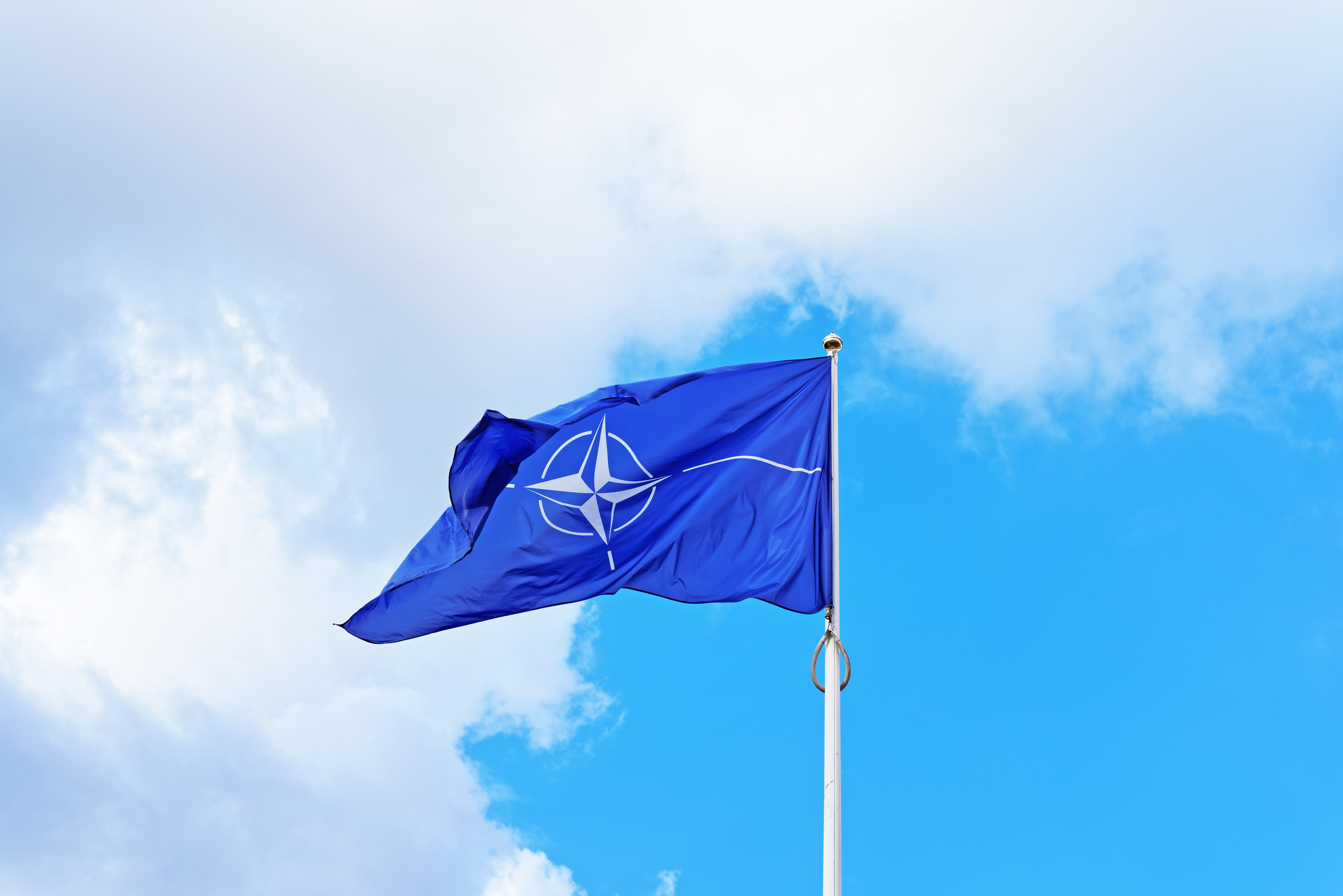
NATO Advances in Sustainable Operational Energy Strategy

[vc_row][vc_column][vc_column_text]

NATO Advances in Sustainable Operational Energy Strategy

The quest of the North Atlantic Treaty Organization (NATO) for energy resilience is ushering in a new era of military strategy. This stage of development is marked by a critical intersection of sustainability and security. The shift from traditional dependencies signifies a broader effort to reimagine operational energy use, focusing on efficiency and environmental responsibility.

The Operational Energy Concept (OEC) is at the heart of NATO’s efforts. It aims to make the allied forces more efficient and less reliant on fossil fuels. It also seeks to standardize new energy sources and technologies across the alliance.

This balance of operational efficiency and environmental responsibility is crucial. Recent geopolitical events have underscored the logistical challenges and significant costs tied to fossil fuel dependence. NATO’s past reliance on conventional energy sources exposed it to various strategic risks. These include supply chain disruptions and the possibility of adversaries manipulating energy supplies. Recognizing these challenges, NATO has set a strategic objective to develop an energy concept that enhances battlefield effectiveness. This concept is aimed at reducing fossil fuel dependency and fostering a shift towards alternative energy sources, reflecting a commitment to CO2 neutrality by 2050 for most member nations.

The alliance is exploring new energy sources, storage solutions, delivery methods, power generation systems, and powertrains. This evolution anticipates a transition from traditional fuel supply chains to more innovative models, albeit with new risks such as interoperability issues and vulnerabilities to cyberattacks.

The environmental footprint of military operations is also a concern, and NATO allies have committed to a significant reduction in greenhouse gas emissions from military activities without compromising operational effectiveness or defense capabilities. Meanwhile, technological advances in the energy sector are creating opportunities for the alliance. Renewable energy, improved storage technologies, and efficiency measures open new paths for military resilience and effectiveness. However, integrating these technologies into military operations is challenging. It requires overcoming technical obstacles and a significant shift in mindset. Sustainability needs to become a strategic priority, not an afterthought.

As the landscape of operational energy continues to evolve within NATO, KSA Integration is at the forefront of analyzing these shifts through a comprehensive study for the alliance. Our expertise in providing analysis and strategic solutions is instrumental in addressing the complexities of today’s energy demands and tomorrow’s possibilities. If you are interested in learning more about KSA Integration’s work on operational energy, please contact David Hitchcock for further details


About KSA Integration
KSA Integration, LLC, is a Service-Disabled Veteran-owned Small Business (SDVOSB) founded by LtGen Keith Stalder (USMC, Ret.) and Bryan Altmire in November 2010. KSA Integration offers a comprehensive portfolio of support capabilities in three critical areas: 1) Data Science and Analytics, 2) Warrior Care, and 3) Business Process Improvement. For more information visit us at www.ksaintegration.com/ or contact info@ksaintegration.com.

[/vc_column_text][/vc_column][/vc_row]

Building Organizational Resilience

[vc_row][vc_column][vc_column_text]

Building Organizational Resilience: Lessons from Military Training

In the unpredictable battlefield of today’s business world, where challenges lurk around every corner, the concept of resilience has never been more crucial. Tying the lessons and insights from military training to the corporate world isn’t just theoretical—it’s a practice that KSA Integration is bringing to life every day. Co-founded by a veteran, KSA Integration specializes in leveraging the rich experiences and strategic approaches honed in military service to address complex challenges in the business sector. This connection between battlefield strategies and business resilience offers invaluable insights for navigating the corporate maze with the same precision and preparedness as a military unit in the field.

“Drawing from a military career, I have observed firsthand how the principles of discipline, adaptability, and teamwork inherent in military training can significantly bolster organizational resilience,” said Lt. Gen. Keith Stalder, USMC, retired, KSA Integration’s founder and CEO. “By integrating these lessons into our strategies, we prepare our clients for potential challenges ahead and arm them with the strength to overcome adversity and thrive in an ever-changing environment.”

Strategic Planning and Preparedness

In the military, the emphasis on being two steps ahead of the game teaches the value of strategic foresight and readiness. This same mindset, when applied in the business realm, transforms how companies approach challenges. By identifying risks and plotting out fallbacks, businesses can shift from reactive to proactive. This strategic preparedness is at the core of KSA Integration’s consulting services. It’s about crafting a plan and then a backup for when the original plan encounters the unexpected.

Adaptive Leadership

Leadership in the military goes beyond command and control. It involves adaptability, quick decision-making, and morale boosting. In the corporate world, this translates to developing leaders who inspire adaptability and foster a culture of continuous learning and swift action. Encouraging open communication and team empowerment allows businesses to navigate challenges with resilience and innovation.

Team Cohesion and Communication

The strength of military units, built on trust and clear communication, often determines their success. Similarly, in the business world, fostering team cohesion and ensuring transparent communication channels are vital. This approach can significantly enhance a company’s ability to brainstorm solutions and effectively navigate crises. It draws on the collective strength and unity that is crucial in both military and corporate teams.

Training and Skill Development

The extensive and rigorous training military personnel undergo is designed to prepare them for any situation. Businesses that prioritize continuous learning and skill development adopt a similar strategy, preparing their teams not just for current challenges but for future hurdles as well. This alignment with KSA Integration’s approach ensures that teams remain adaptable, resilient, and forward-thinking.

Resource Management

Efficient resource management is a cornerstone of military operations, where every decision can have significant implications. When applied to business operation, this disciplined approach fosters strategic decision-making and optimal resource allocation. It ensures that companies can operate effectively even when resources are constrained.

Adopting Technology and Innovation

Staying ahead with technology and innovation is a strategic advantage in military operations, a principle equally applicable to the corporate sector. Companies that embrace new technologies and foster a culture of innovation position themselves to respond agilely to market changes and emerging challenges.

After-Action Reviews

The military’s practice of conducting after-action reviews to evaluate performance and identify improvement areas is a powerful tool for business improvement. Incorporating this culture of candid feedback and continuous refinement helps organizations strengthen their strategies and resilience. This approach aligns with KSA Integration’s philosophy of learning from every experience to build a stronger, more resilient future.

With the support of KSA Integration, businesses can leverage these insights to not just survive but thrive, bringing discipline, unity, and strategic acumen from the battlefield to the boardroom. Please contact Business Process Improvement Portfolio Manager David Hitchcock to learn how your organization can benefit from our services.


About KSA Integration
KSA Integration, LLC, is a Service- Disabled Veteran-owned Small Business (SDVOSB) that was founded by LtGen Keith Stalder (USMC, Ret.) and Bryan Altmire in November 2010. KSA Integration offers a comprehensive portfolio of support capabilities in three critical areas: 1) Data Science and Analytics, 2) Warrior Care, and 3) Business Process Improvement. For more information visit us at www.ksaintegration.com/ or contact info@ksaintegration.com.

[/vc_column_text][/vc_column][/vc_row]

Navigating the Future of Business

[vc_row][vc_column][vc_column_text]


Navigating the Future of Business: Top 3 Trends in Business Process Improvement

As we progress through 2024, the landscape of business process improvement (BPI) is undergoing transformative changes. Key trends are emerging that will shape the way organizations operate and succeed. Among these, the most influential include Intelligent Business Process Automation, Generative Artificial Intelligence (AI) in BPI, and Green BPI. These are not just tech upgrades. They mark a pivotal shift in strategy, mirroring the seismic changes brought by the web and mobile revolutions. Embracing these trends early can catapult your organization to the heights of success, akin to the trailblazers of the dot-com boom. Ignore them, and you risk falling behind in an ever-accelerating race of innovation and efficiency.


Intelligent Business Process Automation

The evolution of BPI is being significantly marked by Intelligent Business Process Automation (IBPA), representing a paradigm shift from traditional methods to a more sophisticated, AI-driven approach. Integrating AI, Machine Learning (ML), and Robotic Process Automation, IBPA expands the scope of conventional process automation, enabling the automation of complex business processes while enhancing efficiency and accuracy. However, this transition to IBPA presents substantial challenges, particularly in data organization and management.

Companies that embark on this AI revolution have to confront issues with data that is not uniformly organized – stored in various formats, scattered across different datasets, and in some instances, still retained on paper. This situation necessitates a fundamental reassessment of data storage, management, and processing strategies. The S&P Global survey has highlighted other critical challenges: data management (cited by 32% of respondents), data security (26%), and accessing sufficient computing resources (20%) as the principal hurdles.

KSA Integration’s recent AI impact study for the U.S. Marine Corps Deputy Commandant for Information sheds light on similar challenges in a military context, highlighting the crucial need for data interoperability and efficient system integration when implementing AI technologies. This study, while focused on the Marine Corps, offers valuable insights for businesses adopting IBPA, emphasizing the importance of strategic data management and the potential of AI and ML to transform complex operational processes.


Generative AI in BPI

Mirroring the transformative impact of the web and mobile revolutions, Generative AI is poised to introduce new business models and processes in BPI. It brings a fresh perspective to traditional methods, rapidly prototyping and testing process models, and reducing the time and effort required in process development.

Yet, the adoption of Generative AI in BPI is also a journey. Many organizations estimate a horizon of up to five years to fully integrate AI into their workflows. This transition period underscores the importance of strategic planning and expert guidance in harnessing the potential of Generative AI for innovative and efficient process solutions.


Aligning Sustainability with Business Efficiency

In an era focused on environmental consciousness, Green BPI emerges as a major trend. This approach integrates sustainability into BPI, ensuring that ecological considerations are part of the fabric of business processes. Green BPI is about aligning environmental goals with business efficiency, a balance that is increasingly important in today’s business world.

As companies increase their use of AI, they will also have to consider its climate footprint. Many organizations are now re-evaluating their internal energy use targets to accommodate the computing power required by AI technologies. Moreover, the growing use of AI is also exerting pressure on internal energy usage targets, with 68% of the S&P Global survey respondents noting their climate footprint goals are strained by the substantial computing power AI demands.

Navigating the Change

Navigating the transformative business landscape, it becomes increasingly vital for organizations to align with expert partners who not only understand these changes but can also guide them effectively through them. KSA Integration, with its commitment to innovative analysis and data-driven solutions, stands out as an ideal partner in this journey. Our approach to business process improvement combines strategic study, deep experience, and best practices in management consulting, making us uniquely equipped to handle the complexities of data management, AI readiness, and sustainability. By choosing our company, you can be assured of a partnership that is not just about adaptation but about thriving in a rapidly evolving world. For a tailored consultation and to explore how KSA Integration can elevate your organization’s capabilities, please contact info@ksaintegration.com.


About KSA Integration

KSA Integration, LLC, is a Service- Disabled Veteran-owned Small Business (SDVOSB) that was founded by LtGen Keith Stalder (USMC, Ret.) and Bryan Altmire in November 2010. KSA Integration offers a comprehensive portfolio of support capabilities in three critical areas: 1) Data Science and Analytics, 2) Warrior Care, and 3) Business Process Improvement. For more information visit us at www.ksaintegration.com/ or contact info@ksaintegration.com.

[/vc_column_text][/vc_column][/vc_row]

Elevate Your Strategic Communications with KSA Integration: A Tailored Experience

[vc_row][vc_column][vc_column_text]

KSA Integration blends its expertise in strategic communications with its established track record in consulting and analytics to offer a unique, comprehensive service. Bridging the gap between in-depth organizational understanding and effective message delivery, we specialize in tailoring our approach to fit the specific needs of each client. Our strategic communications are not generic offerings but are unique for you and integrated into the broader context of your organizational success, ensuring that every message not only reaches its intended audience but also aligns perfectly with your overall goals and the audiences you want to reach. This holistic approach underlines our commitment to being more than just consultants – we are partners in your journey towards success.

Crafting a Unique Voice

At KSA Integration, our strategic communication services embody a philosophy of flexibility and customization. We recognize that each organization possesses a distinct identity and stakeholders, necessitating a bespoke communication strategy. Our approach begins with thorough research, enabling us to understand the core of your organization and its audience. This foundational insight guides our creation of content that truly captures your unique voice and message.

In the execution phase, we commit to quality. Our experienced team, skilled in various aspects of strategic communication, ensures that each piece of content – be it a detailed article, an inspiring speech, or a targeted social media post – is not only well-crafted but also aligns seamlessly with your strategic goals. And, we assess how the approach is working, then adjust it as needed to reach your audiences with your value propositions to them.

“In the rapidly evolving landscape of global challenges, strategic communications are crucial,” said Lt. Gen. Keith Stalder, USMC, retired, KSA’s founder and CEO. “They enable us to navigate complexities with clarity, ensuring that our actions are not just effective, but also resonate with diverse stakeholders.”

Engaging with Precision and Expertise

KSA Integration’s expertise in stakeholder engagement is a critical component of our strategic communication services. Our approach is multifaceted, encompassing both traditional and social media platforms to ensure a comprehensive reach. We understand the rapidly evolving nature of the business landscape and adapt our strategies to meet these changes, ensuring that your message stays relevant and impactful.

A testament to our commitment in this arena is our collaboration with the USMC Wounded Warrior Regiment. Our partnership involves 24/7 monitoring and proactive management of social media accounts, including daily postings, facilitated by a social media specialist. 

The collaboration between KSA Integration and the Joint Intermediate Force Capabilities Office (JIFCO) is another noteworthy example of the effective application of our strategic communication services. It showcases the positive outcomes achievable through our flexible, quality-driven approach. This partnership highlights how KSA Integration’s expertise in strategic communication can enhance an organization’s capability to meet its communication goals, demonstrating the strength of our tailored, client-focused strategies in supporting organizations in realizing their communication aspirations.

“I am immensely proud of KSA Integration’s role in supporting JIFCO. This office represents a deeper commitment to preserving life and de-escalating potential flashpoints. Their approach isn’t just strategic. It is a reflection of American values, aiming to protect the innocent while effectively managing complex and volatile situations,” said Stalder.

Journey Towards Effective Communication

Partnering with KSA Integration marks the beginning of a transformative journey for your organization. Our role is to magnify the impact of your message, ensuring it resonates with and captivates your audience. This journey is about more than just conveying information. It’s about creating a powerful, lasting impression that propels your organization forward. We leverage strategic communications to forge a deeper connection with your audience, fostering an environment where your organizational goals are not just understood but embraced and acted upon. Please contact David Hitchcock for personalized insights and detailed information on how KSA Integration can assist your team.

About KSA Integration

KSA Integration, LLC, is a Service- Disabled Veteran-owned Small Business (SDVOSB) that was founded by LtGen Keith Stalder (USMC, Ret.) and Bryan Altmire in November 2010. KSA Integration offers a comprehensive portfolio of support capabilities in three critical areas: 1) Data Science and Analytics, 2) Warrior Care, and 3) Business Process Improvement. For more information visit us at www.ksaintegration.com/ or contact info@ksaintegration.com.


[/vc_column_text][/vc_column][/vc_row]